Termite Treatment Help for Homeowners
Request a termite estimate today
Termites rarely announce themselves. They eat wood from the inside, and many homeowners only notice a mud tube, a pile of wings, or a floor that feels soft. Toiletoldest Pest Control helps you read those clues and decide what to do next, step by step.
We are a referral service. We do not treat homes. We explain the timeline, show what is safe to check yourself, and connect you with independent providers in our network across the Marysville area. With wood-frame houses, crawl spaces, and a long damp season, termite checks matter here. Request an estimate and a local provider can inspect, explain your options, and give you a written quote.
Seeing Signs of Termites? Start Here
Found mud tubes, discarded wings, or soft wood? Stay calm, but don't wait around. Termites never take a day off. Use this page to work out where you are on the clock and what to do next.
The First Hour: Look, Don't Spray
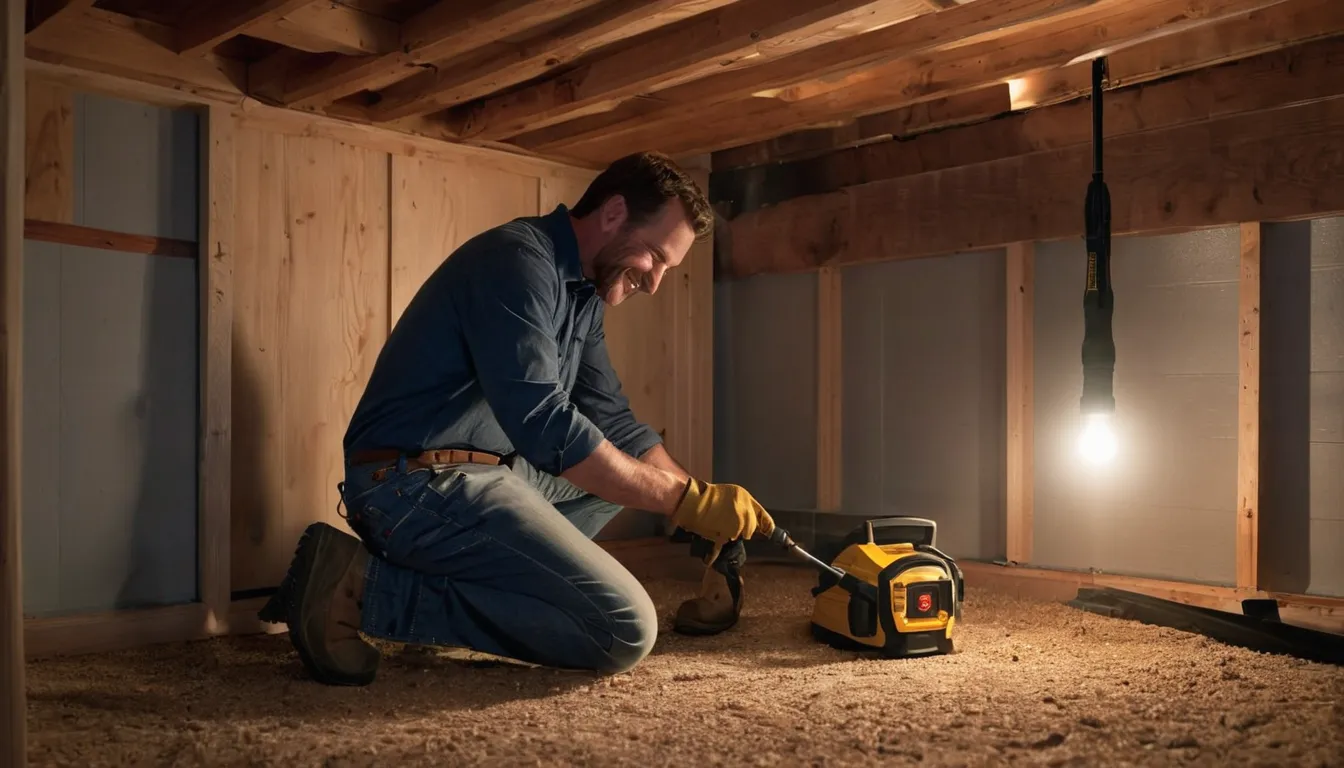
Grab a flashlight, a screwdriver, and a notepad. Tap the wood lightly. A hollow sound is a clue. Write down the spot and snap a few photos.
Resist the urge to spray. Store-bought sprays can scatter workers and hide the trail a provider needs to follow.
The First Day: Collect Your Evidence
Seal a few insects or wings in a jar or zip bag. Note the date, the room, and any nearby moisture. If you check the crawl space, wear gloves and a mask, and stay out of tight or wet spots.
Why Timing Changes the Outcome
Days One to Seven
Workers feed constantly inside the wood. Damage you can't see keeps growing. A small, spotted problem is usually simpler to treat than a wide one.
Weeks and Months
As a colony grows, it reaches more framing. Doors start to stick. Paint bubbles. Floors may feel springy. Repairs shift from a small patch to replacing whole boards.
A Year or More
Sill plates, joists, and studs can weaken. Mild weather and long wet seasons keep wood damp, which gives termites an easy meal. The longer the wait, the bigger the repair bill tends to be.
Know the Warning Signs
Walk the outside of the house, then the garage and crawl space. Look for:
- Mud tubes about the width of a pencil on foundation walls
- Winged insects or piles of shed wings near windows and doors
- Wood that sounds hollow or crumbles under a screwdriver
- Tiny pellet-like droppings below small holes
- Blistered paint or warped trim
Termite or Carpenter Ant?
Termites have thick waists and straight antennae. Ants have pinched waists and bent antennae. If you can't tell, the jar of evidence will help a provider tell them apart.
Types of Termites Homeowners Meet
Subterranean Termites
These live in soil and travel through mud tubes. They are common near damp crawl spaces and wood that touches the ground.
Drywood Termites
They live inside dry wood and leave small pellets. They can show up in attics, trim, and furniture.
Dampwood Termites
They like wet, rotting wood, like old fence posts, stumps, and leaky framing. A rainy climate makes them a real worry.
How Termite Treatment Works
Inspection Comes First
A provider checks the foundation, crawl space, attic, and trim. They look for active insects, moisture, and damage, then explain what they found.
Barriers, Bait, and Spot Work
For soil termites, providers often use a liquid barrier around the foundation or bait stations in the ground. For small pockets, they may treat the wood directly.
Fumigation for Large Infestations
When drywood termites are spread out, a provider may tent and fumigate the house. You would need to leave for a few days and follow their prep list.
What You Can Safely Do Yourself
You can help while you wait for an estimate:
- Fix leaky gutters, pipes, and drips
- Move firewood and lumber away from the house
- Pull soil and mulch back from siding
- Clear vents and improve crawl space airflow
Stop and call a pro if you see damaged framing, live insects in several rooms, or swarmers indoors. Request a callback to check provider availability.
Termite Inspections for Home Sales
Buyers and lenders often ask for a termite report. Get the inspection early so you have time to fix findings before closing. Buying? Ask for the report and read the notes on past treatments.
Choosing a Termite Provider
Ask each provider for a written quote that lists the method, the area covered, and what a repair would cost separately. Ask what warranty terms they offer and what the warranty excludes. Compare two or three quotes before you sign.
After Treatment: What to Expect
You may still see a few insects for a short while. That can be normal. Keep your paperwork, follow the aftercare notes, and schedule recheck visits. Keep fixing moisture problems so termites don't return.
What's Included
Full Inspection
A provider checks the foundation, crawl space, attic, and trim for live activity and hidden damage.
Method Choice
Liquid barriers, bait stations, spot work, or fumigation, matched to your termite type.
Damage Notes
Providers can often document damage you find, which may help if you file an insurance claim.
Written Quote
You get the method, the area, and the price on paper before any work starts.
Typical Termite Costs in the U.S.
Prices vary by home size, termite type, and how far the damage has spread. These are typical U.S. ranges. Always get a written quote before you agree to work.
| Item | Typical range | Notes |
|---|---|---|
| Termite inspection | $75 – $300 | Some are bundled with treatment or a home sale |
| Spot or local treatment | $250 – $900 | Suited to small, confined areas |
| Liquid soil barrier | $1,200 – $3,500 | Depends on the linear feet around the home |
| Bait station system | $1,500 – $4,000 | Includes monitoring visits in many plans |
| Tent fumigation | $2,000 – $8,000 | Varies by house size; you must leave the home |
| Wood repair | $500 – $5,000+ | Rises quickly if framing is damaged |
How It Works
Check and Document
Use a flashlight and screwdriver, take photos, and save a few insects in a jar.
Request Estimate
Send the request form so a local provider can schedule an inspection.
Compare Quotes
Read each written quote for method, area covered, and warranty terms.
Treat and Recheck
Follow the aftercare notes and book any follow-up visits the provider suggests.
Why Call Toiletoldest Pest Control
Hidden Damage Grows Quietly
Termites eat wood from the inside, so harm often shows up long after it begins.
Smaller Jobs Cost Less
Catching a small colony early usually means a simpler treatment and a smaller repair bill.
Damp Homes
Wet seasons, moss, and soft wood give termites the moisture they like in older frames.
Home Sales
An old termite problem can slow a sale or change the price.
Other Services
Need termite treatment help in Marysville?
Tell us what you found and where. Send an estimate request and a provider in our network can follow up. Prefer talking? Request a callback to check availability.
No obligationTermite Treatment Help FAQ
- How do I know if I have termites or carpenter ants?
- Termites have thick waists and straight antennae, while carpenter ants have pinched waists and bent antennae. Ants leave clean sawdust piles. Termites leave mud tubes or pellets. A provider can confirm which one you have.
- Can I get rid of termites myself?
- Store-bought sprays can kill the few insects you see, but they rarely reach the colony. You can fix moisture and move wood away from the house, but for real infestations, stop and call a pro.
- Does homeowners insurance cover termite damage?
- Many policies exclude termite damage, but some may cover sudden damage. Check your policy and ask your insurer. Providers can often help document damage for a claim.
Reach a local provider
Tell us what you found and where. Send an estimate request and a provider in our network can follow up. Prefer talking? Request a callback to check availability.
No obligation